


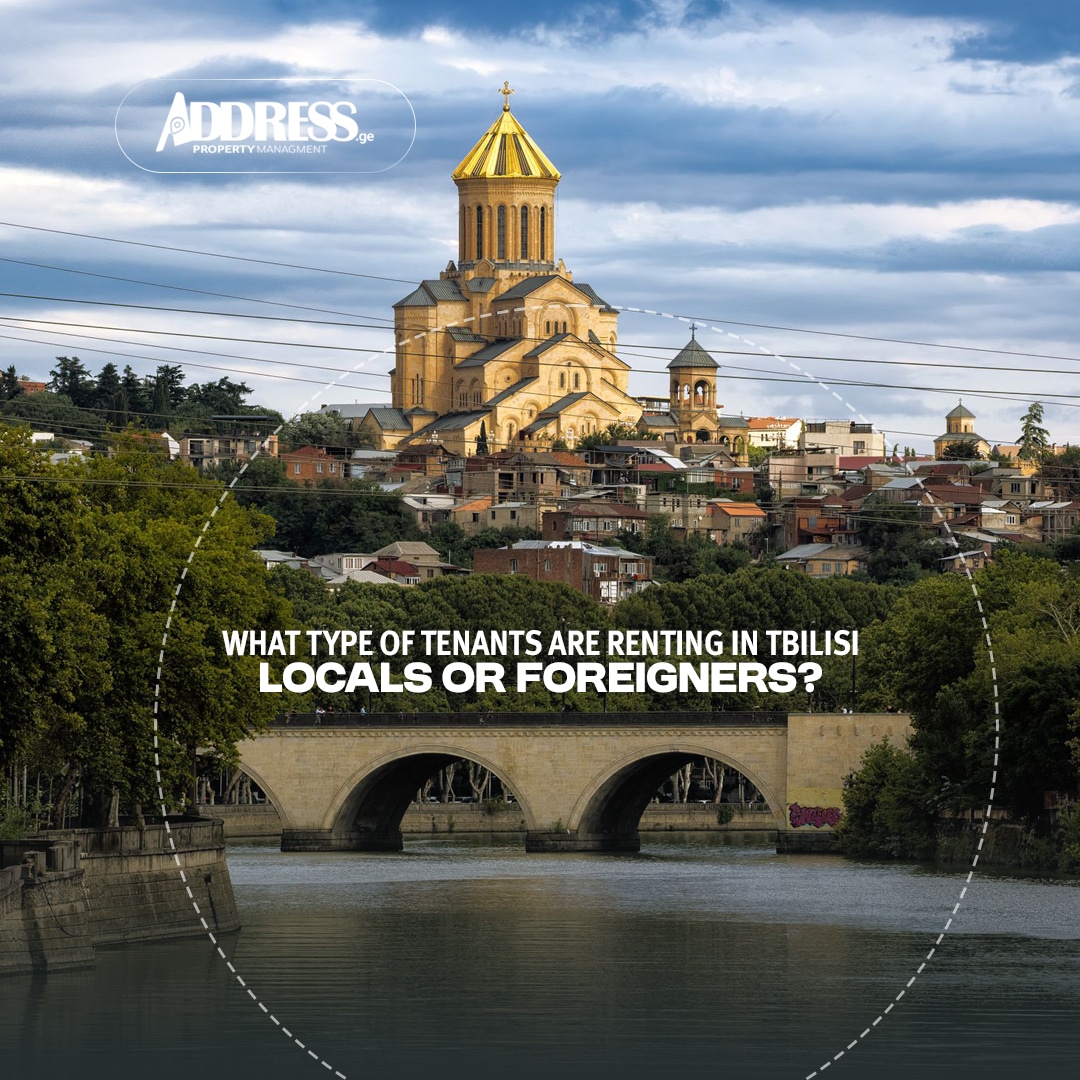
The honest answer is both, but the mix shifts sharply depending on which district your apartment sits in — and knowing your likely tenant profile changes how you should furnish, price, and market your unit.
The post-2022 shift, and where it stands now
The 2022–2023 period saw an extraordinary wave of foreign relocators — largely from Russia and the wider region — arrive in Tbilisi following the outbreak of the Russia-Ukraine war, which temporarily pushed rents and demand to unprecedented highs. By 2025, that migration-driven surge had cooled substantially, and the market moved into what analysts describe as a “normalization” phase — transaction and rental activity remained healthy, but no longer under the exceptional conditions of the immediate post-2022 period.
Alongside that shift, buyer and investor demographics have also diversified. Israeli buyers, for instance, saw their share of the market rise to around 10% in 2025, making them the single largest foreign investor group in Georgian real estate — a signal that international interest in Tbilisi remains active even as the migrant-tenant wave has settled.
Tenant profile by district
- Vake: A large share of tenants here are foreigners — professionals, diplomats, and expat families, many with children attending nearby international schools, which tends to produce longer lease terms and lower turnover.
- Saburtalo: A genuinely mixed pool — foreign students (many tied to the district’s medical universities), local professionals, and expats seeking good value without Vake-level rents. This is the district least dependent on any single tenant type.
- Old Town, Mtatsminda, Vera: Skews heavily toward short-stay tourists and visiting professionals rather than long-term residents, given the strong pull of these areas for short-term and Airbnb-style demand.
- Gldani, Samgori, Varketili: Predominantly local Georgian tenants seeking affordable long-term housing; foreign tenant presence here is limited.
Why this matters for how you rent
If your unit sits in a district that leans foreign-tenant, you’ll generally benefit from furnishing to a higher standard, providing English-language listing materials, and being flexible on lease structure (many expats prefer 6–12 month terms with clear, simple contracts). If your district leans local, price sensitivity tends to matter more than finish quality, and word-of-mouth or local listing platforms often outperform international-facing channels.
The takeaway
Tbilisi’s tenant base is genuinely mixed citywide, but heavily segmented by neighborhood. Know which pool your apartment is realistically competing for — Vake and central gentrifying districts skew foreign and expat, Saburtalo is the great equalizer, and outer districts remain predominantly local. Marketing to the wrong pool is a common and easily avoidable reason apartments sit vacant longer than they should.
Data referenced: Market commentary on tenant demographics and migration trends (2022–2026); investor and buyer nationality data from Tbilisi real estate market research.


Join The Discussion