Georgia is genuinely one of the more tax-friendly jurisdictions in the region for rental property owners, but “friendly” doesn’t mean “zero” here’s exactly what reduces your rental income, and by how much. The core rental income tax: 5% vs. 20% This is the single most important tax detail for any Tbilisi landlord. If you register in Georgia’s official landlord registry...

Business
This is the culmination of every question before it yield, demand, taxes, appreciation, and management all roll up into this one decision. There’s no universal answer, but there is a clear framework for reaching your own. The case for holding and continuing to rent Yields remain genuinely strong. At roughly 8.5% gross (Galt & Taggart, 2025–2026), Tbilisi continues to outperform most...
Before you can judge whether Tbilisi’s headline 8–9% gross rental yield actually works for you, it helps to have a realistic sense of the recurring costs that sit between gross rent and what you actually keep. Property management fees If you use a professional management company or agency — the common route for owners who live abroad, as covered in our companion article — expect an...
Furnishing decisions are one of the few levers a homeowner fully controls — unlike location or market conditions, you decide exactly how much to invest here. The right amount depends entirely on your district and tenant profile. Why furnishing matters more in some districts than others In tenant-heavy, expat-facing districts like Vake, Vera, and Sololaki, furnished apartments have a real edge:...
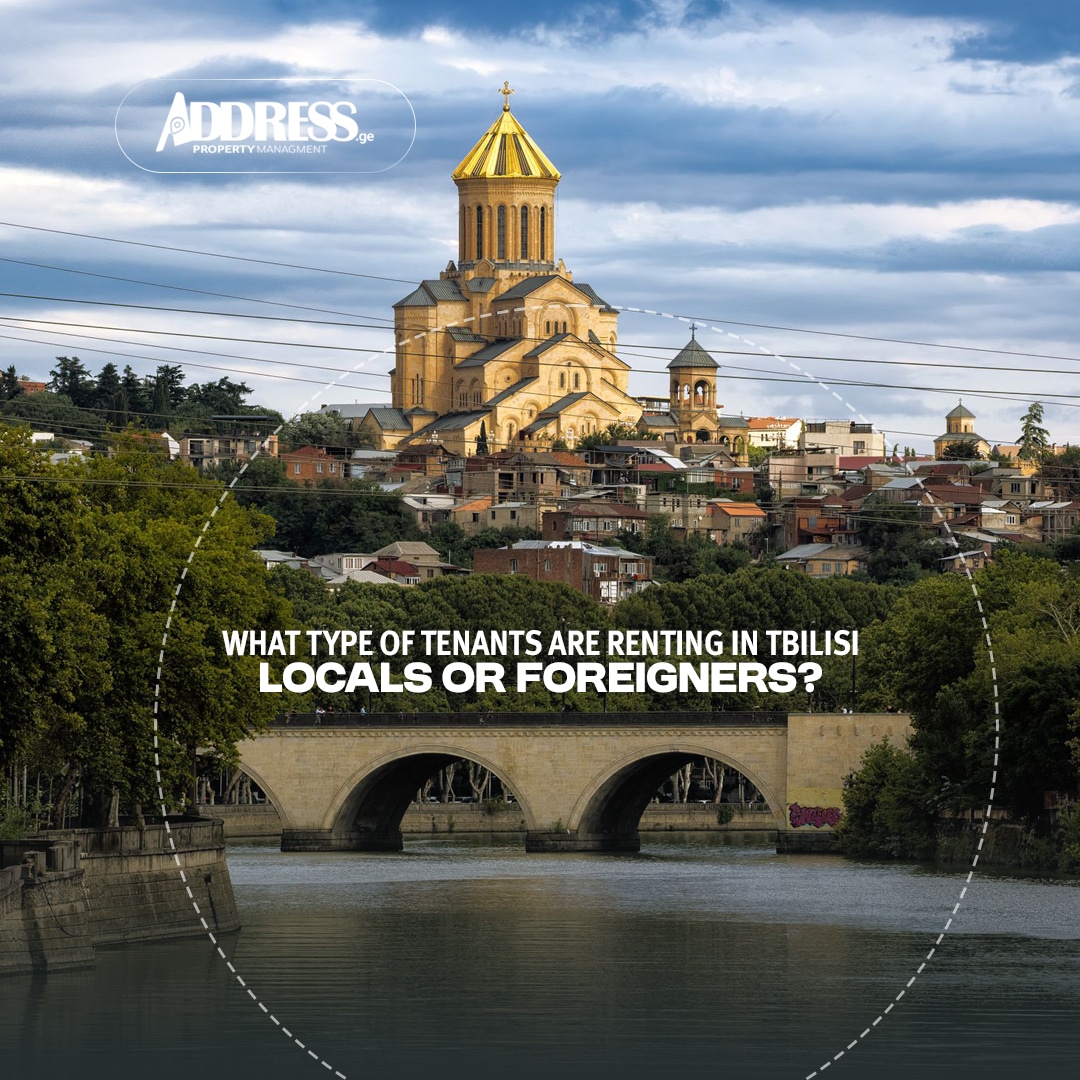
The honest answer is both, but the mix shifts sharply depending on which district your apartment sits in — and knowing your likely tenant profile changes how you should furnish, price, and market your unit. The post-2022 shift, and where it stands now The 2022–2023 period saw an extraordinary wave of foreign relocators — largely from Russia and the wider region — arrive in Tbilisi...
This is the single most consequential decision a Tbilisi homeowner makes, and the honest answer is: it depends on your location, your risk tolerance, and how hands-on you want to be. Here’s how the numbers actually stack up in 2025–2026. The yield gap Long-term rentals (6 months or more) currently generate around 6–9% gross annually in Tbilisi, according to buyer-guide data compiled from...
Every homeowner asks this question first, and the honest answer is: it depends far more on your district and finishing standard than most people expect. By late 2025 and into early 2026, the citywide picture had stabilized after two volatile years, giving owners a much clearer benchmark to work from. The citywide baseline According to Galt & Taggart’s monthly residential market watch, the...
When investing in real estate, renovation is not simply an expense — it can directly influence both rental income and resale value. Two apartments in the same building, with the same size and location, can achieve very different prices simply because of their design, finishing quality and functionality. A smart renovation can: Increase the achievable rental price Reduce vacancy...
You don’t always need to buy a more expensive property to achieve a better rental return. Sometimes, small improvements can make a big difference. In Tbilisi’s competitive rental market, a well-presented apartment can justify a higher rent and reduce vacancy. Start with the basics: Professional photography Comfortable mattress and quality bedroom setup Strong Wi-Fi and a...
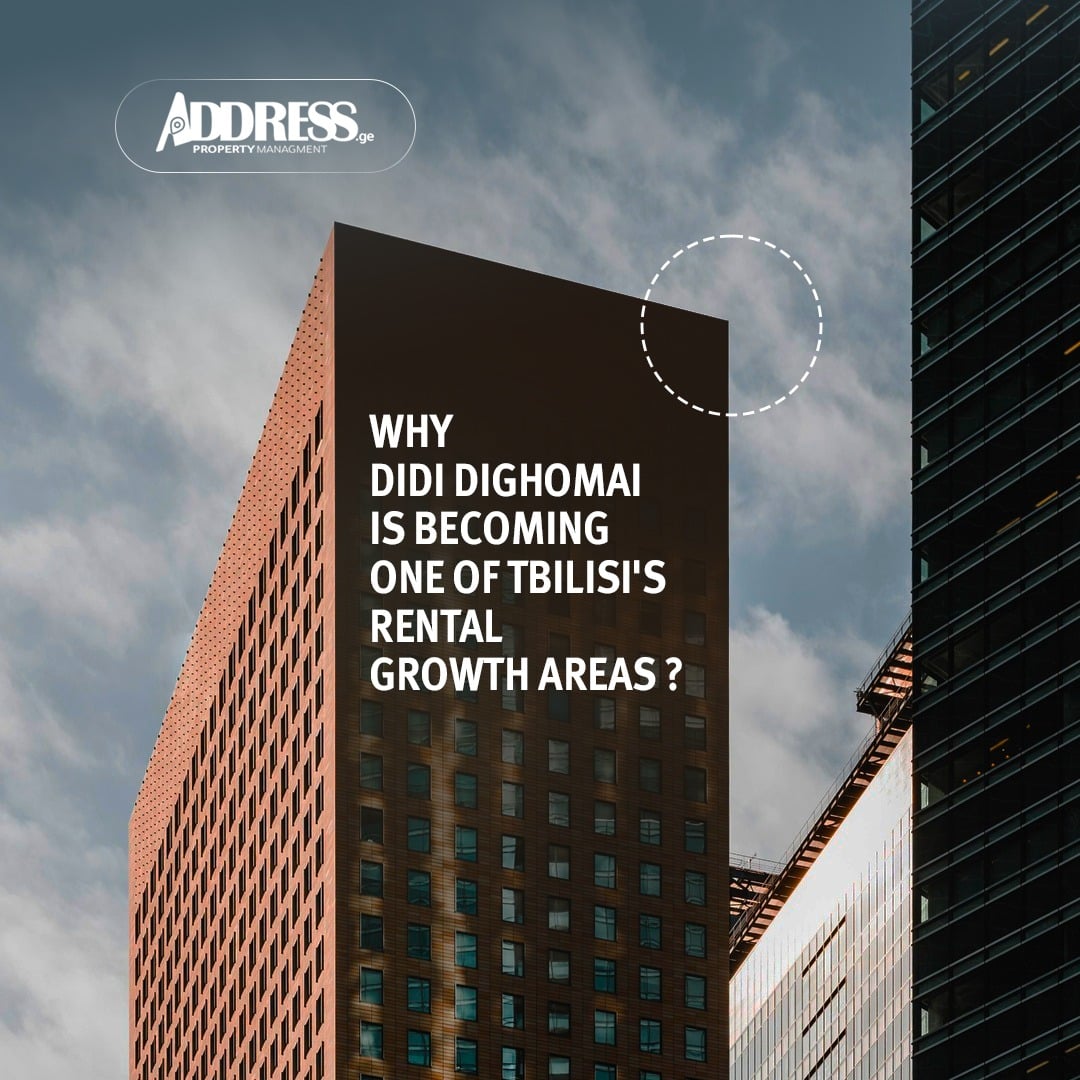
Tbilisi’s residential market is entering a more selective phase in 2026, making the relationship between property prices, rental income and future demand increasingly important for investors. Among the districts attracting attention is Didi Dighomi. According to Galt & Taggart’s April 2026 data, average rent for a 50–60 sqm apartment in Didi Dighomi stood at approximately $8.6 per sqm,...